Walking into a doctor’s office just to get your blood pressure checked feels pretty old-fashioned these days. Technology changed the game. Doctors can now keep tabs on patients who stay put on their living room sofa, and it is working better than anyone expected.
The New Face of Healthcare
Those routine checkups that ate up half your day? They’re facing extinction. The fundamental health indicators like blood pressure, heart rate, and glucose levels can now be monitored with small devices, eliminating the need to travel long distances. Information shoots straight to healthcare teams through the internet. There’s no traffic, no waiting, and no trouble.
The amazing thing is that these gadgets find problems you can’t even sense. A sensor picks up something weird with your heart at midnight. Your doctor sees it first thing in the morning. By the time you’re pouring coffee, they might already be calling to adjust your medication. That’s the kind of head start that keeps people out of emergency rooms.
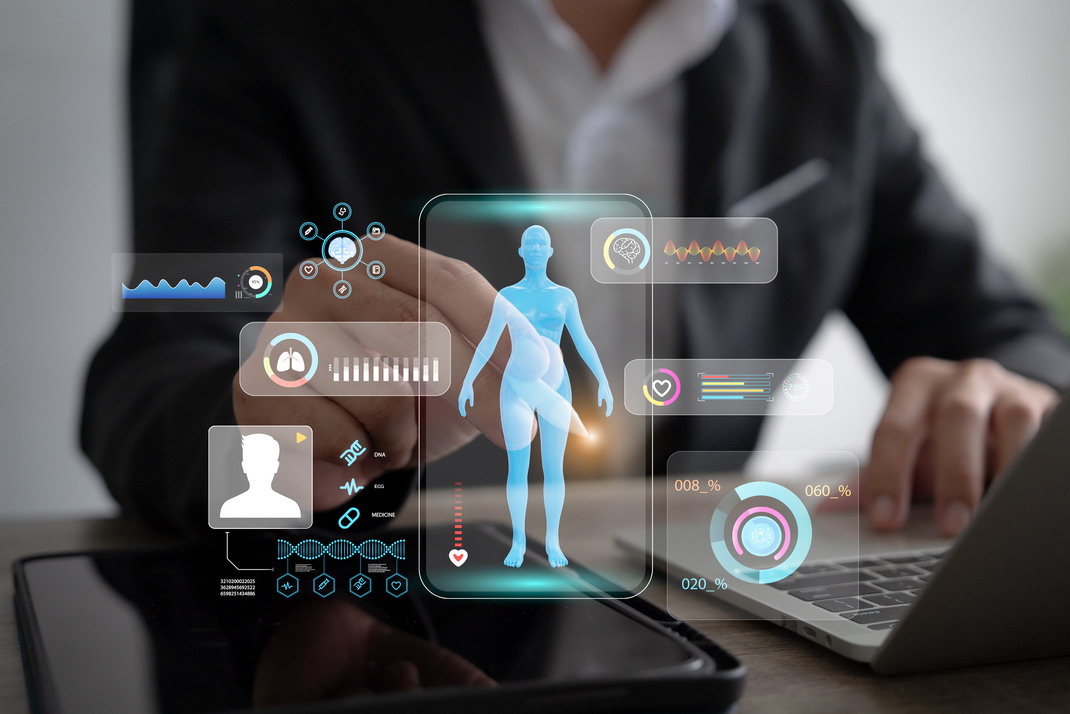
The hardware shrinks every year while getting smarter. Patches thinner than a quarter. Watches that do more than tell time. All of them chattering away with computers, building a picture of your health that’s clearer than any single office visit could provide.
How Smart Monitoring Works
You strap on a device, could be a wristband, might be a stick-on patch. It starts collecting numbers. Pulse, temperature, how much you move around. Maybe blood oxygen if you need that tracked. The device talks to your home internet or uses cell towers to send everything to computers that healthcare workers check. Getting started takes about as long as making a sandwich. Power on, follow some prompts on your phone, done. After that initial setup, the whole thing runs itself. Numbers flow from your body to your doctor’s screen without you lifting a finger.
Remote patient monitoring IoT technology has flipped chronic disease management on its head, with Blues IoT helping regular clinics and hospitals make these tools work smoothly in everyday practice. Diabetics track sugar levels all day long. Heart patients get constant rhythm monitoring. Blood pressure readings happen while people sleep, work, or watch TV.
Benefits That Matter
Rural folks win big here. Two-hour drives for five-minute checkups? Not anymore. Older adults stay in their homes longer because doctors can watch them from afar. Working parents don’t burn sick days dragging kids to appointments that could happen from the kitchen table.
Money talks, and these systems save buckets of it. When problems get caught early at home, people avoid expensive hospital stays. Insurance companies caught on and started paying for monitoring services. Gas money, parking fees, missed paychecks; all those costs disappear when healthcare comes to you.
Here’s what really counts though: family members sleep better at night. They check an app and see Dad’s heart looks good. Mom’s blood sugar stays steady. No more lying awake wondering if everything’s okay. That relief? You can’t buy it any other way.
Conclusion
Tracking health from home isn’t just convenient; it rewrites the whole script of medical care. People control more of their healthcare journey while doctors stay plugged in from miles away. Every year brings cheaper devices that do more tricks. Soon enough, driving somewhere for a blood pressure check will sound as outdated as using a rotary phone. Healthcare is now delivered in the places where people live. The timing of this change couldn’t be more ideal for families who are already busy with their careers, education, and other activities. The doctor’s office is now pocket-sized, which completely transforms how we stay healthy in a fast-paced world.